Statamic - Loved by Both Users and Developers
Itiden ❤️ Statamic = True
Haven't heard of Statamic before? Then you're not alone. Statamic is not the best-known CMS outside the development industry. However, it is more common than you might think, and it is very possible that you have actually visited a website that uses Statamic to create and manage its content.
A (Short) History Lesson on Statamic 🧐
According to the founders behind the system, Statamic was created out of sheer frustration back in 2012, when they grew tired of developing websites in the modern CMS of that time, which could not properly version control content.
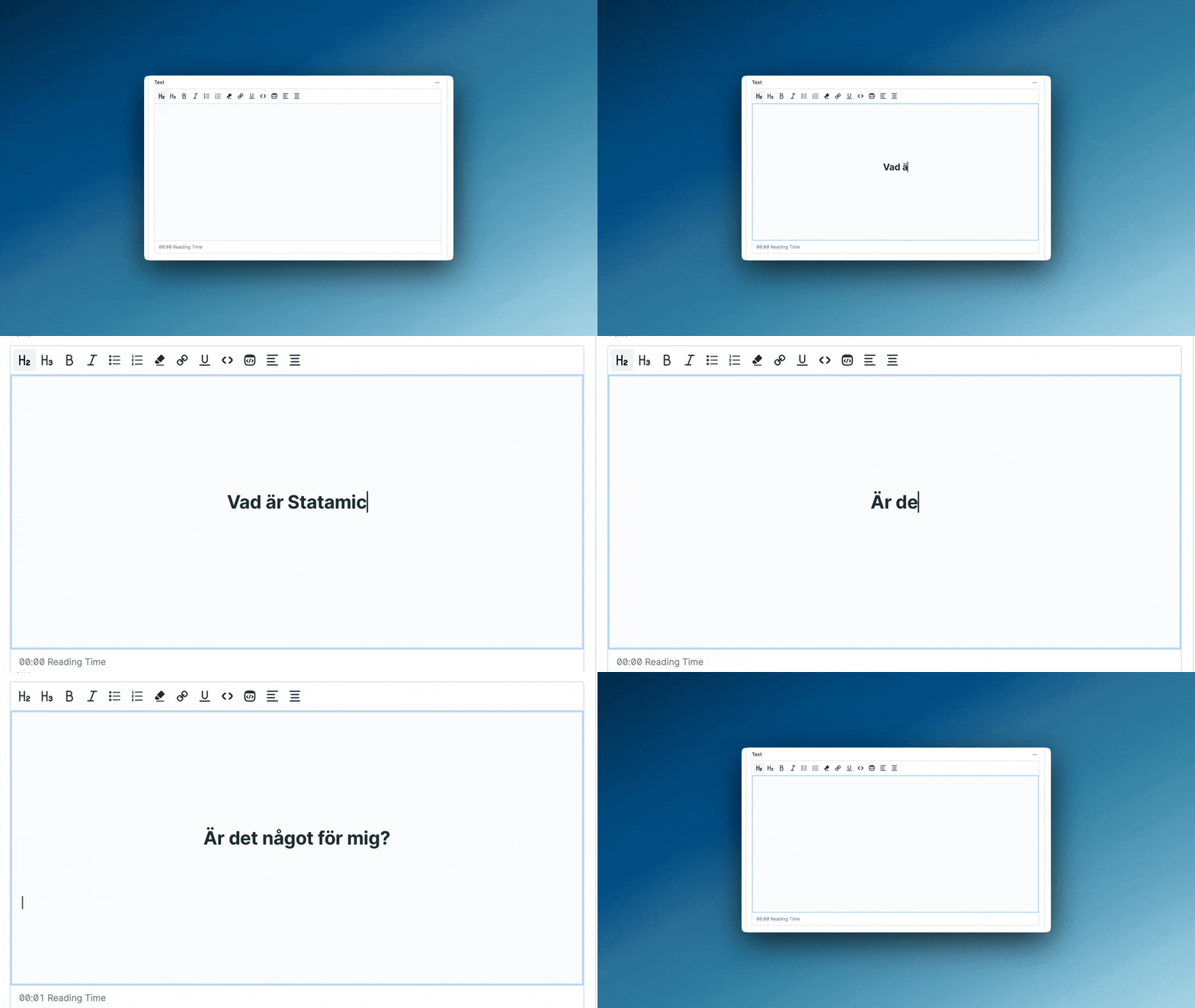
The idea was that all content should instead be saved in files, rather than in a database, so it could easily be opened and edited or modified content in any text editor. Although this is still fully possible, there is now a modern built-in editor, which means you no longer need to open any files.
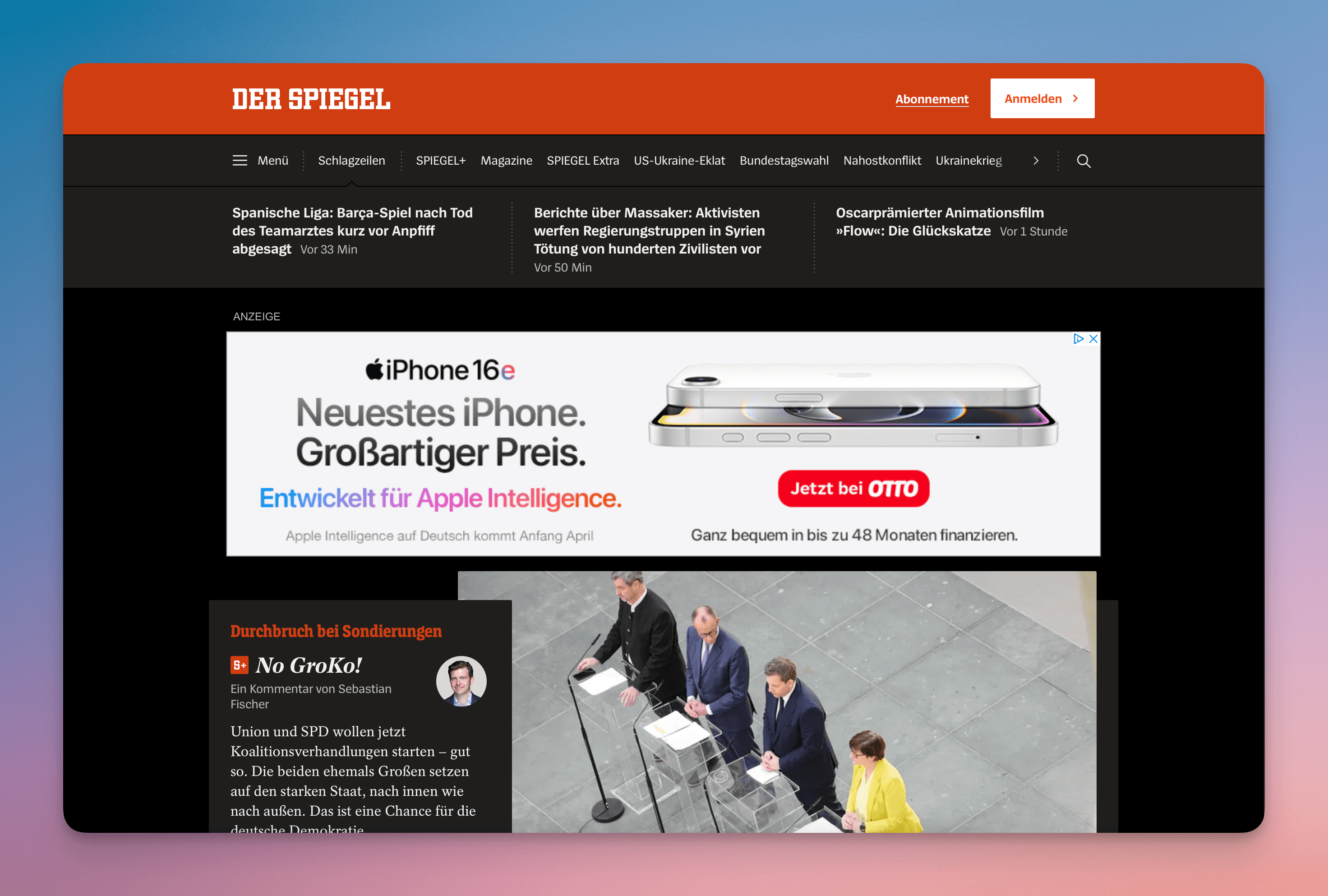
After years of development, refinement, and a growing user base, the major commercial breakthrough came in 2017. Then the German publication Der Spiegel – one of the largest of its kind in Europe – decided to develop its new site with Statamic as the CMS. Der Spiegel's choice shaped the future development, as they decided to collaborate with Statamic while working on version 3 of the CMS. Their experience in managing, organizing, and maintaining content made Statamic 3 a system that makes it easy for content editors – who are not developers in any way, but still need to manage extreme amounts of content in complex structures.
This meant that they now had a CMS that was not only appreciated by small companies for its simplicity in maintaining their website. Now it was also powerful enough to easily handle large amounts of content by hundreds of simultaneous users.
What Type of CMS is Statamic?
That there are several different types of CMS systems, we have already discussed here. What type of CMS Statamic is, however, is not entirely obvious, since it meets the criteria for being categorized under several different types.
At its core, Statamic is a classic CMS, a system for creating, organizing, and maintaining content on a website, but with several different technical capabilities that make the system adaptable to your exact needs. Statamic has the ability to be a flat file CMS, but can also be connected to a database to store the content. It can also be a headless CMS, but has the ability to stand on its own, with its own frontend.
It is simply a very flexible CMS in terms of technical requirements and needs.
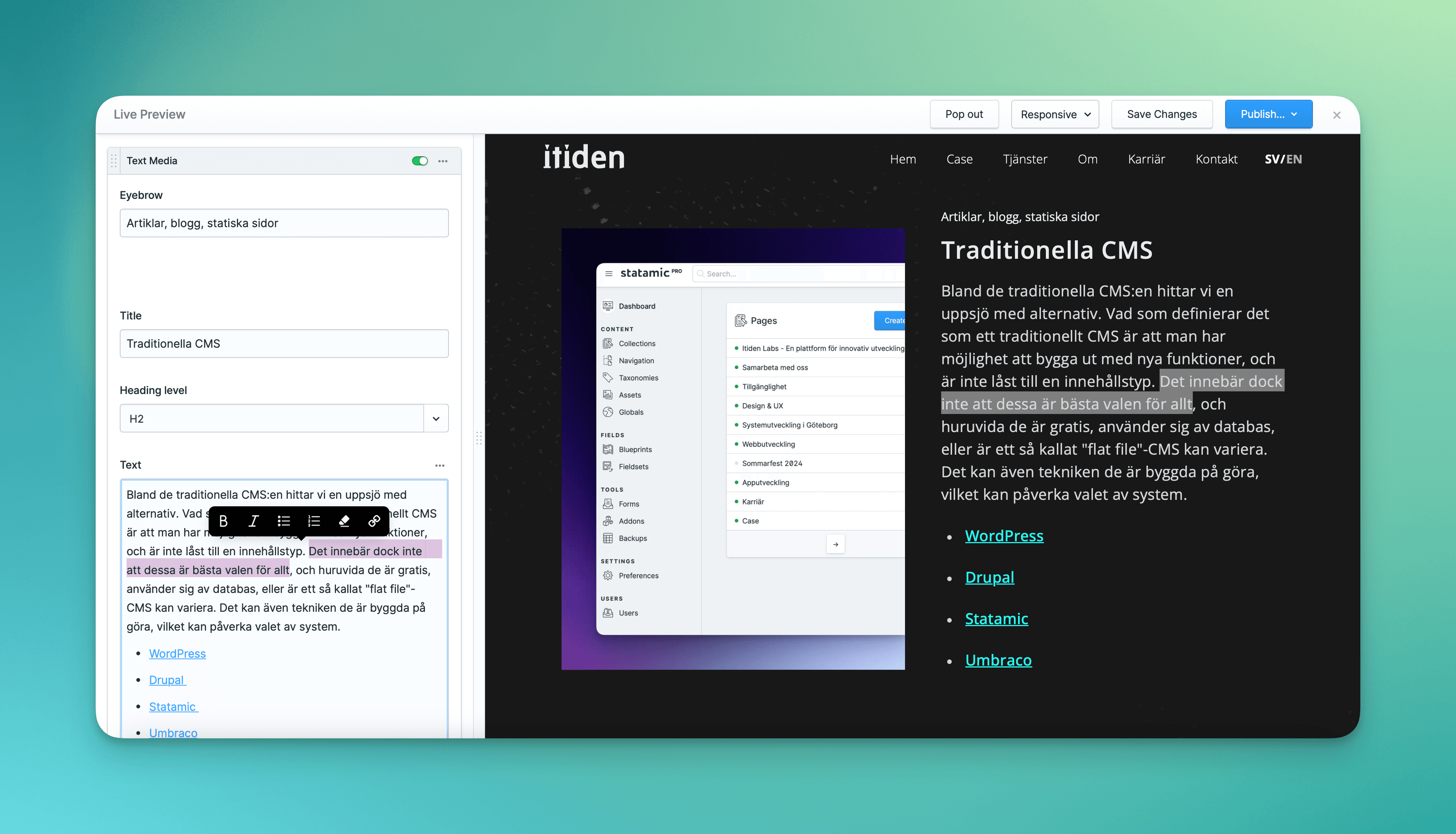
Those who administer content on the site appreciate it for its streamlined and easy-to-use administration interface, where there are several different options when it comes to how you want to create your content. You can develop the site so that, like a text editor, you only use a single field where you place all your content, or a block builder if you want greater flexibility to decide how the content should be placed and look, and what type of content you want on the page you are creating. It can range from video players and slideshows to text blocks and images – depending on what the site requires.
Statamic Comes in Three Different Versions ⤵️

Core
A free version of Statamic, which you are free to do with as you wish. Comes with certain limitations regarding basic functionality, number of users, and translations into multiple languages. Support is not included in this version.

Pro
The commercial version of Statamic, completely without limitations, and with more features to create and manage content, such as draft functionality and content versioning. The Pro version comes with an annual license fee.

Enterprise
Enterprise is primarily aimed at large companies and includes everything in the Pro version, but with a dedicated support team, offline version, and other services. The cost of an Enterprise license varies depending on complexity.
Why Choose Statamic?
Many of the advantages have already been mentioned in the article, but we try to list the main advantages below.
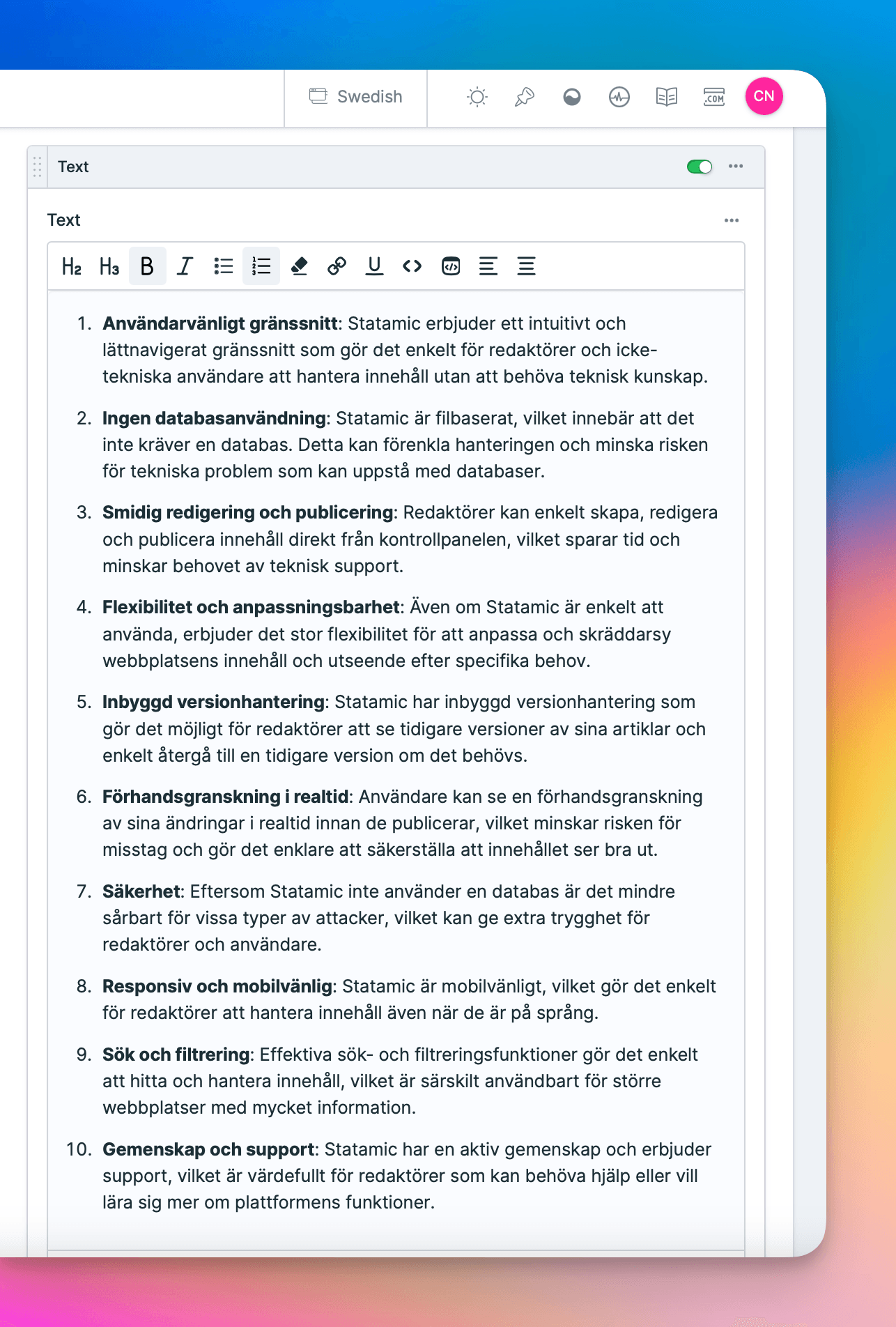
Clean and simple administration interface
Ability to create different content types with their own field sets
Flexible for editors with many opportunities to customize their content
Stable and secure from the start
Feature-rich in its basic configuration, without needing to install plugins and extensions for features you need to be able to manage your website and its content
Scalability allows the site and its complexity to grow with your needs, whether adding multiple languages, content types, or users
Technically flexible, which makes it possible to customize the codebase entirely to your needs and requirements, and is as scalable for a developer as it is for the content administrator
Builds on established and modern code frameworks and languages, which paves the way for a stable foundation, and many developers can help develop or maintain the website.
Can easily be extended with more features, either by developing your own plugin, or using one of several hundred available from Statamic's own marketplace
See how your content will actually look before you publish it by using the preview feature. You can also build up your content page while previewing, and see the final result while you are still working on the content
Who is Statamic For?
So who is Statamic actually for? Can everyone use Statamic? In short, Statamic is for everyone who works with content but wants to have control over how it looks and is organized. Whether it's a website presenting the small craft business, or the gigantic news organization that publishes news and articles by the hundreds daily.
It should be noted, however, that setting up and developing Statamic should be done by an experienced developer. It is also a good idea to consult with the developer about how the site should be built and what needs and requirements you have, so you can make the right technical choices from the start, and a suitable place to put your site.
What Technology Powers Statamic?
Statamic is built on Laravel and PHP, which makes it powerful but at the same time relatively easy to work with for developers. To create themes and build sites, Statamic uses its own templating system called Antler. If instead you want to use Statamic as a headless CMS, there are plenty of opportunities to connect it with other frontend solutions.
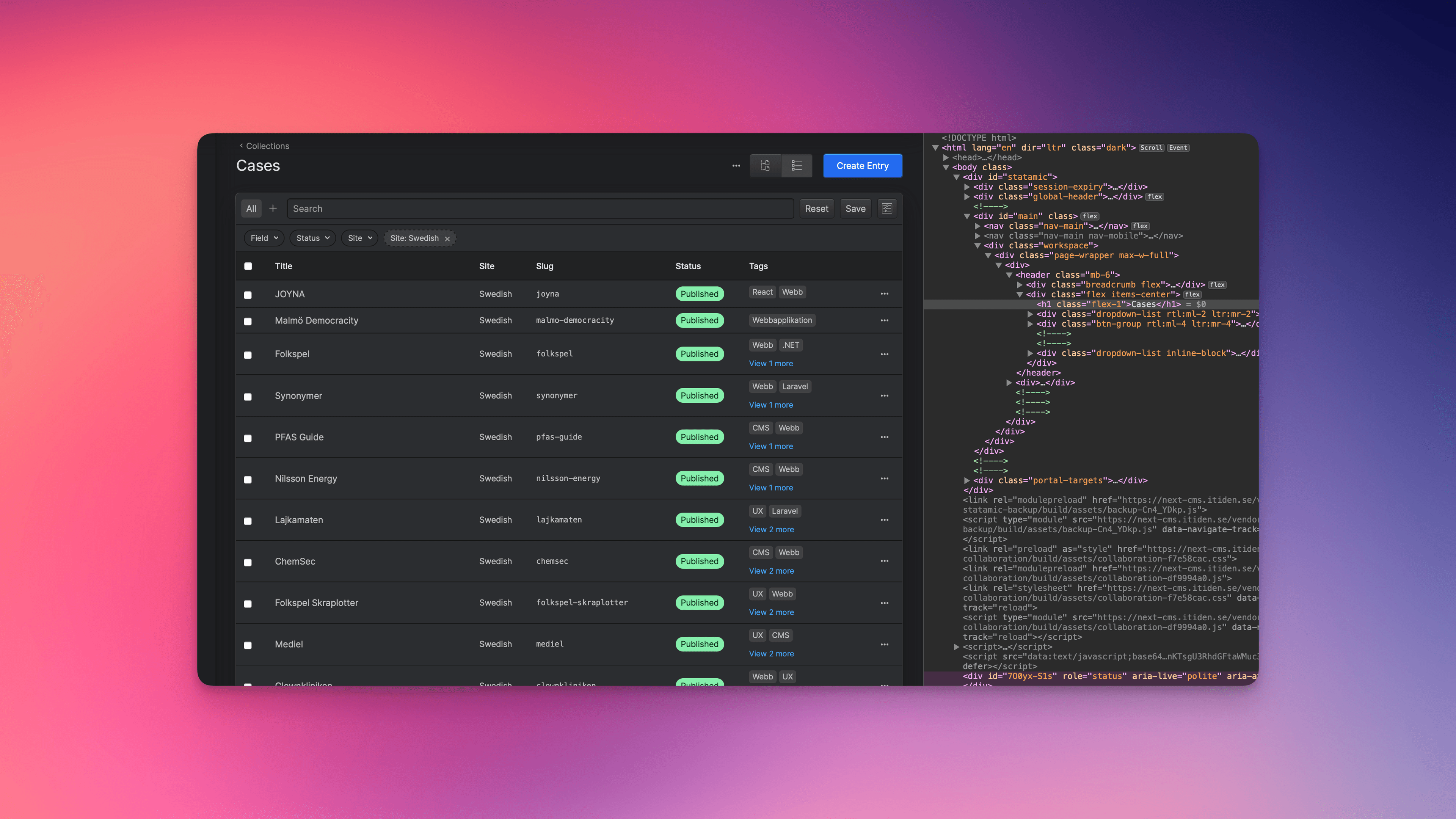
When it comes to storing content, Statamic works directly with files, but if you want to use a database, you can choose between options like SQLite, MySQL, PostgreSQL, MongoDB, Redis, or Firebase.
For image handling, Statamic uses either GD Library or ImageMagick, two common techniques that allow you to manipulate and optimize images uploaded to the website.
For server requirements, you can read more on Statamic's own site which you can find here.
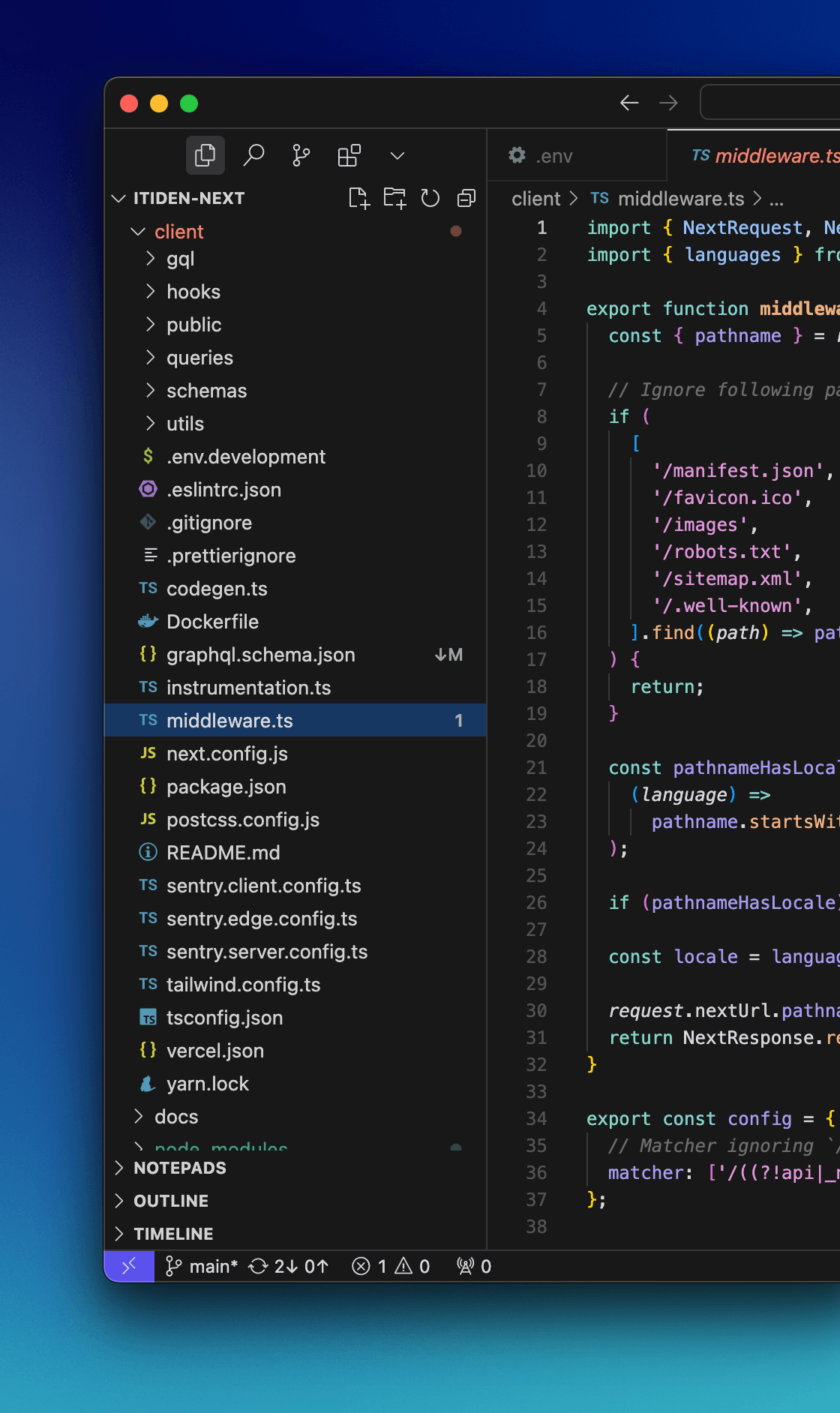
If you want to know more about how we at Itiden think about development and technology, you can visit our site, entirely dedicated to developers and technology enthusiasts. Go to itiden.dev to read more.
Others Who Use Statamic

PFAS Guide
Lists product categories where the toxic substance PFAS is commonly found. The site was built by us at Itiden for Chemsec.
Want to Know More About CMS?
Choosing a CMS can be confusing and feel overwhelming, which we at Itiden understand.
That's why we're happy to chat about the needs you have and help you choose a CMS that fits you right now, but also in the future.
Fill out the form and we will contact you as soon as we can.